Many "not yet plant people" have communicated their stress to us about the fact that they don't have a great deal (or any) natural light in their homes or offices...and they want to have live plants but just dont think they can survive in their low-light spaces.
Well, no need to worry friends...we are here with some great news. There are plants that can and will survive and thrive in low-light conditions! Some of them won't necessarily bloom or grow quickly in low-light but they will survive it and really, at the end of the day - that's what matters most.
When you consider which plants will do well in the low-light spaces you have available, you need to think about where they came from. So, when looking for a plant that will thrive in low-light...think "canopy" plants. Meaning look for the plants that grow naturally under the canopy in the forest, namely the rainforest. These plants get dappled light (at best) most of the time.
Plants tend to thrive best in East, South and West facing windows. If you aren't sure where your windows are facing - look for where the sunrises (East) or sets (West). For those of you who claim "directionally challenged" it's ok.
Stand with your right arm straight out from your body toward sunset/afternoon sun (which is West) and/or your left arm pointing straight our from your body to the sunrise/morning sun (which is East) - and you will be facing South (plants love South sun). Ignore the North facing windows if humanly possible. It's the least plant-friendly. That being said, if it's your only available natural light source - then it will have to do!
Once you figure out which direction your windows are facing, you can ascertain how many hours of light will come in each day. Any plant that requires more than 6 hours a day will most likely need South sun, so if you don't have south-facing windows..."sorry not sorry" but pick a different plant or you will have to break-down and purchase a plant light. More on that later.
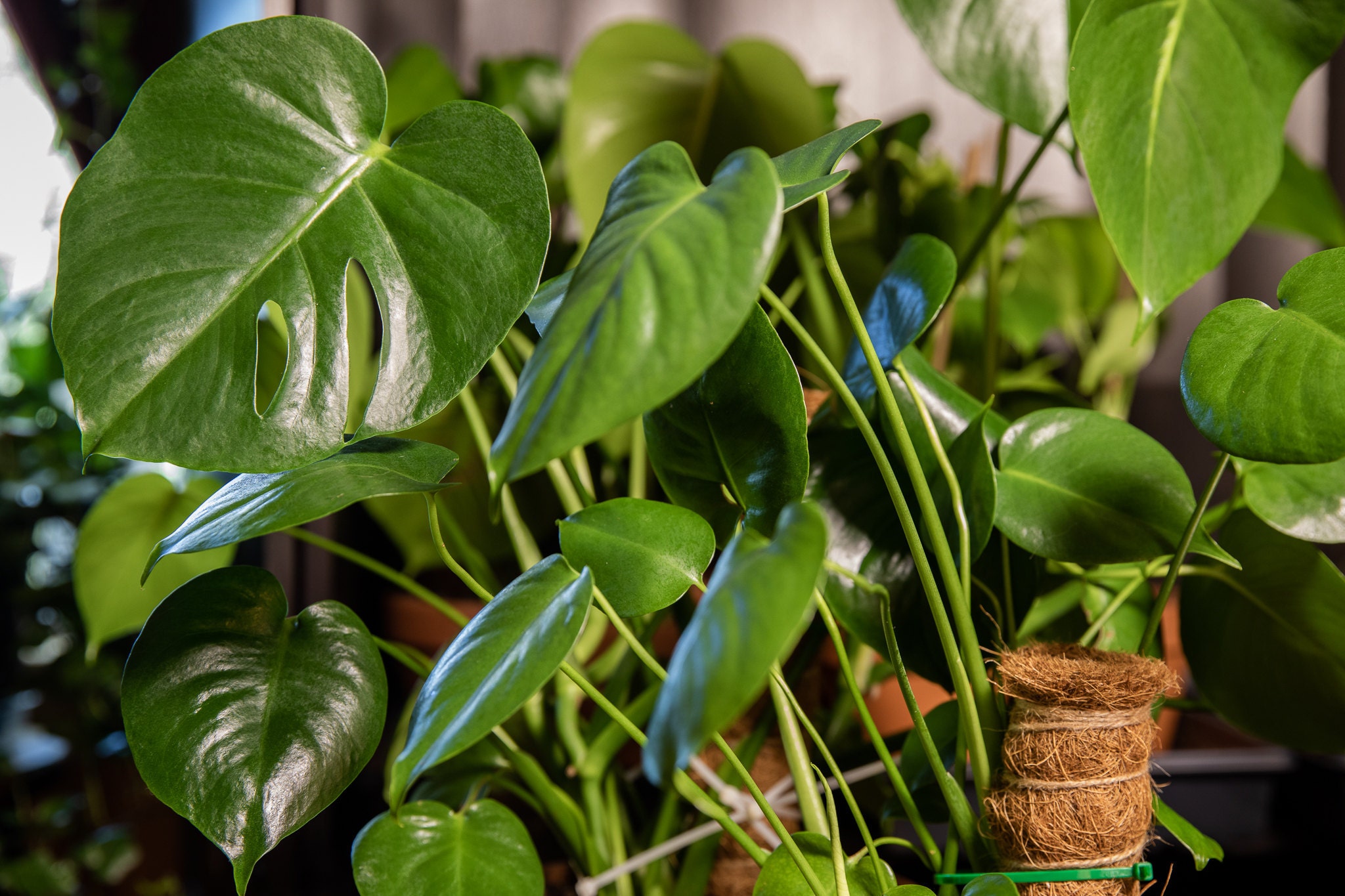
One of the most sought after beasts, by plant enthusiasts, in the rainforest realm, is Monstera Deliciosa. It does beautifully in low-light (in most cases) as do *most* of the other plants that originate on the canopy floor. Monstera is a philodendron and many philo will thrive in lower light conditions due to their large green leaves. If you can't fit a Monstera delicioso in your dwelling, try one of the smaller Monstera or if you're looking for a killer vine, try another type of Philodendron or Pothos.
Here's a list of some other plants that don't mind low-light:
- Philodendron - Brazil
- Philodendron - Heart-shaped
- Monstera Deliciosa (and other types) - can tolerate pretty much any light condition and will adjust to wherever you put her. If you buy a Monstera Deliciosa small - be aware that within about 3 years, her leaves will be bigger than your head and you will need a large space for her to adorn.
- Bromeliads (can survive by flourescent light alone). They grow best in orchid mix and their medium should never be watered, nor their "flowers". Only water sparingly, every 3 weeks, into the cups formed by their leaves.
- Pothos - Golden and Jade
- Nerve plants, or fittonia (prefer bright light but can survive low light conditions)
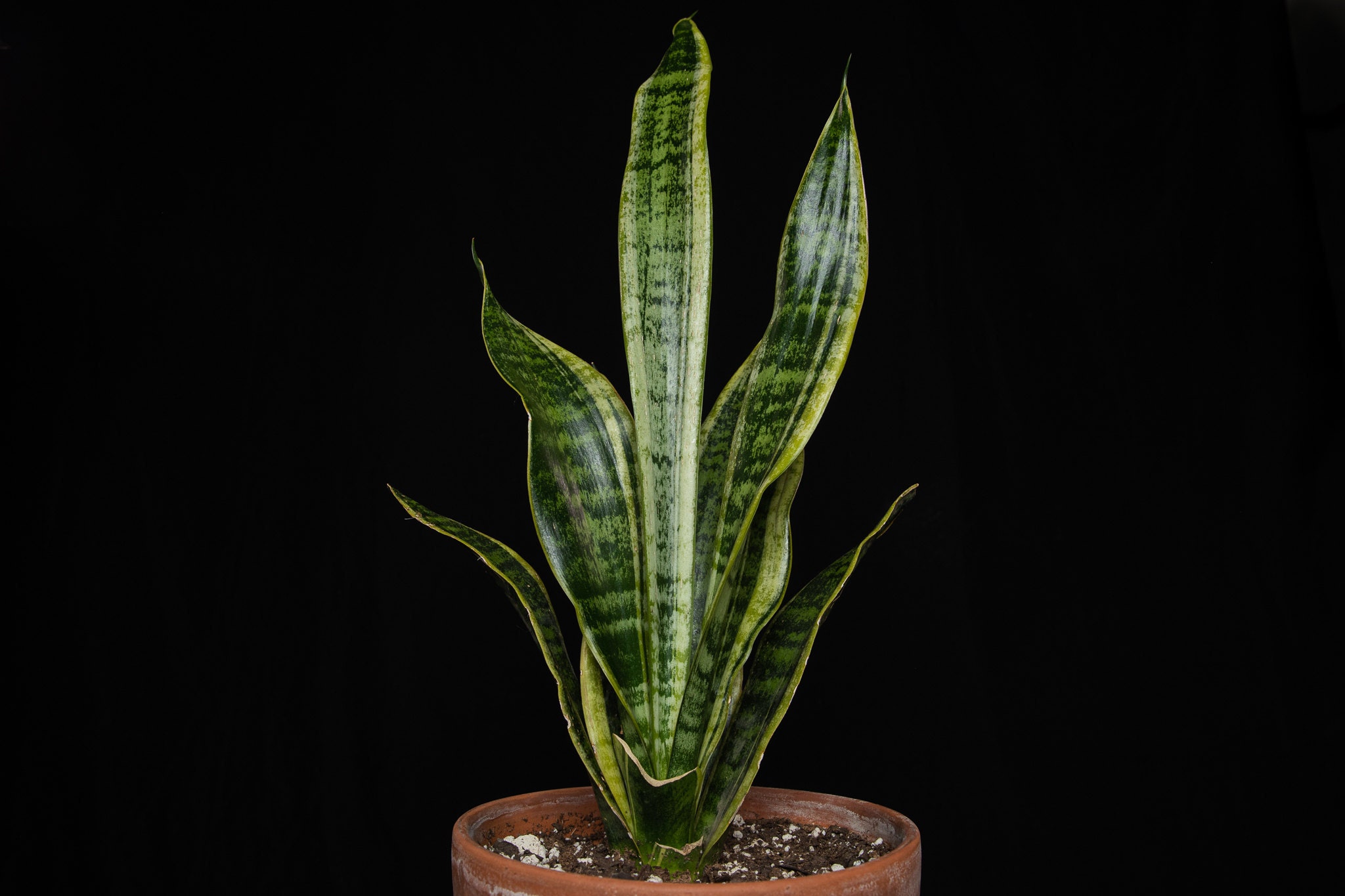
- Snake plant or Sansevieria (light will help it grow - be VERY careful not to over-water or they will root rot)
- Chinese Evergreen or Aglaonema - low light and only feed 1-2 times per year
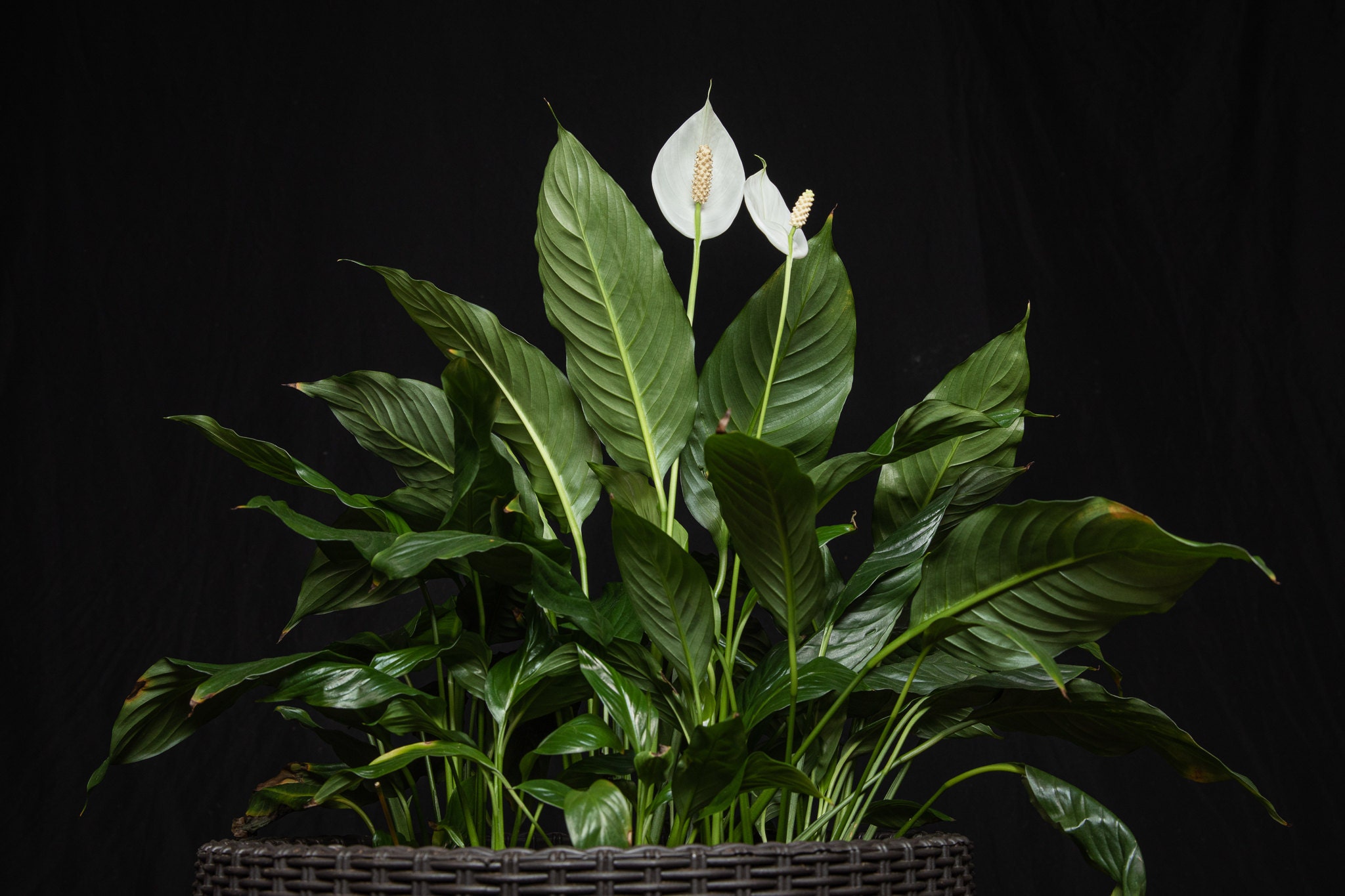
- Peace Lily or Spathiphyllum - can tolerate very low light, they just wont flower as much without sun
- Pepperomia - or Radiator plants - prefer bright, indirect but tolerate low-light conditions pretty well. Raindrop plant is especially suited to this due to it's large green leaves. (Custom orders available)
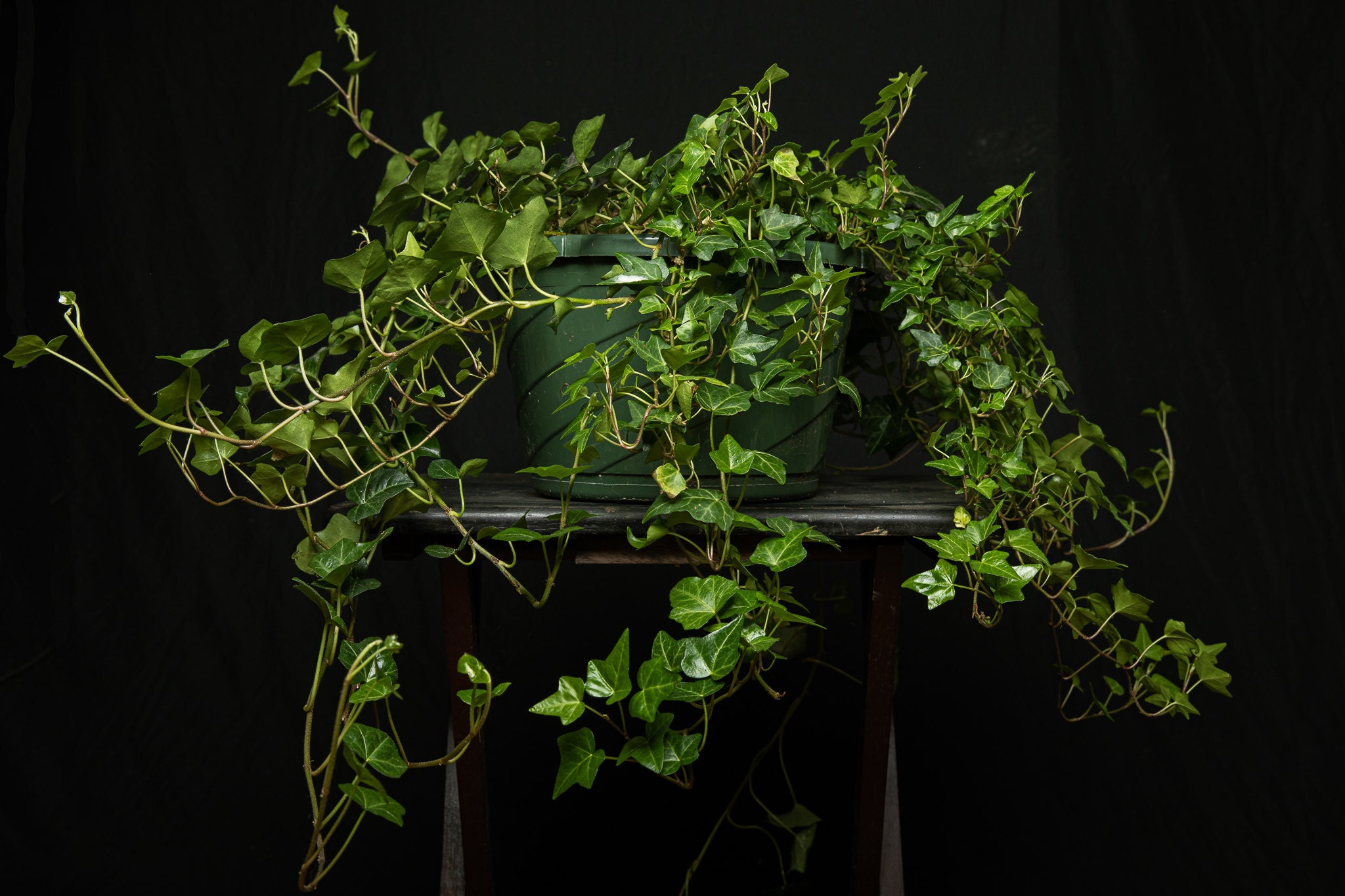
- Ivy - English or Algerian (Hedera helix and Hedera algeriensis or Hedera canariensis) do well in low to moderate light. (Custom order available)
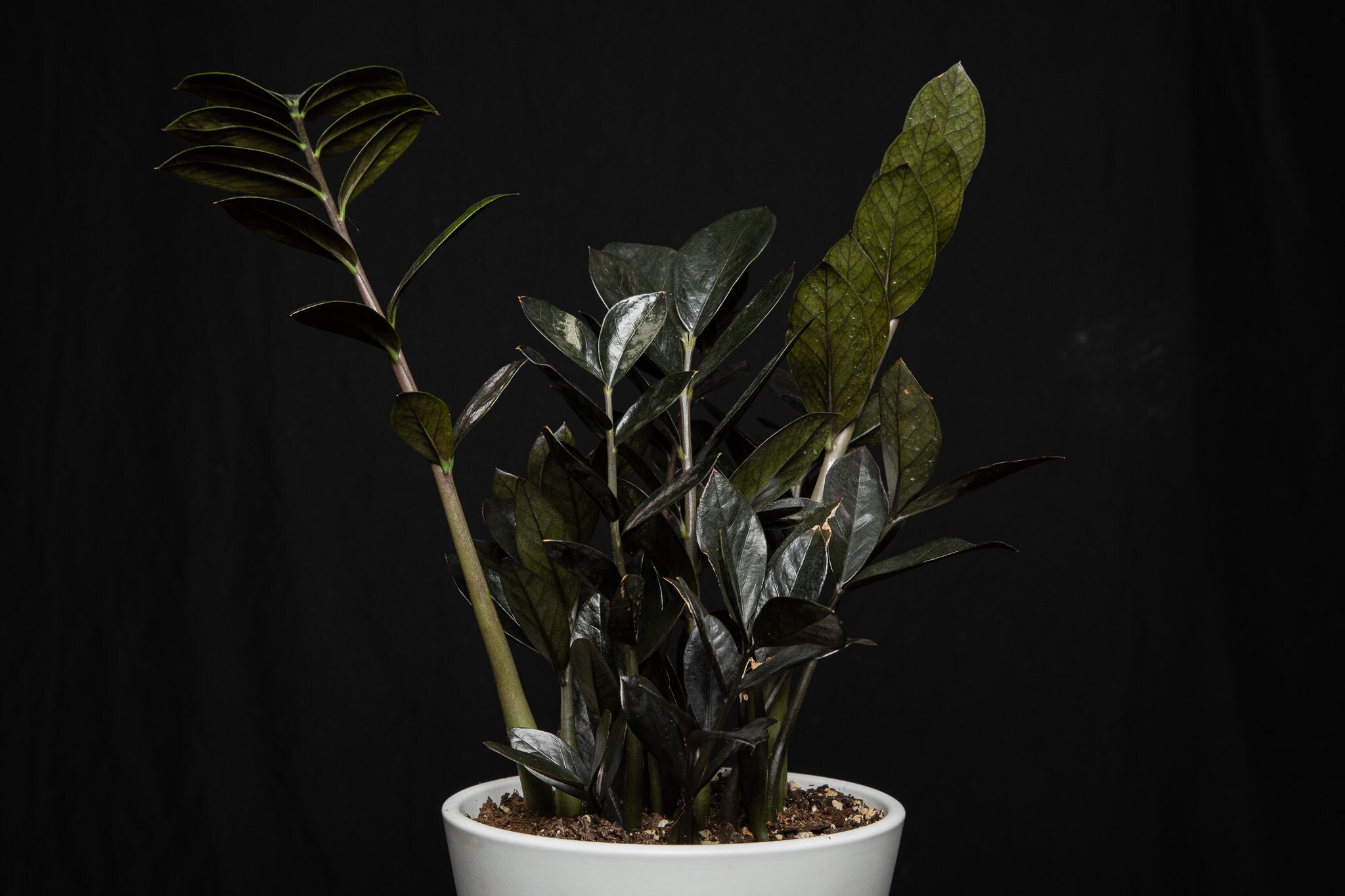
- ZZ Plant - Zamioculcas Zamifolia - ZZ plant grows well in a dry environment and pushes the low-light limit to its extreme, so if you are someone with dark corners in your house that forgets your plants or travels a lot...ZZ is your plant all day long. ZZ actually reflects light, prefers dry soil and grows nice and slow - so it can stay in the same pot for a really long time. Ebony ZZ requires the least amount of light due to hits black foliage.
- Ferns - Autumn, rabbit's foot, maidenhair and more, are good options for low-light situations. Many types of fern love shade with humid conditions. Keep their soil moist and their humidity high with a diffuser or humidifier.
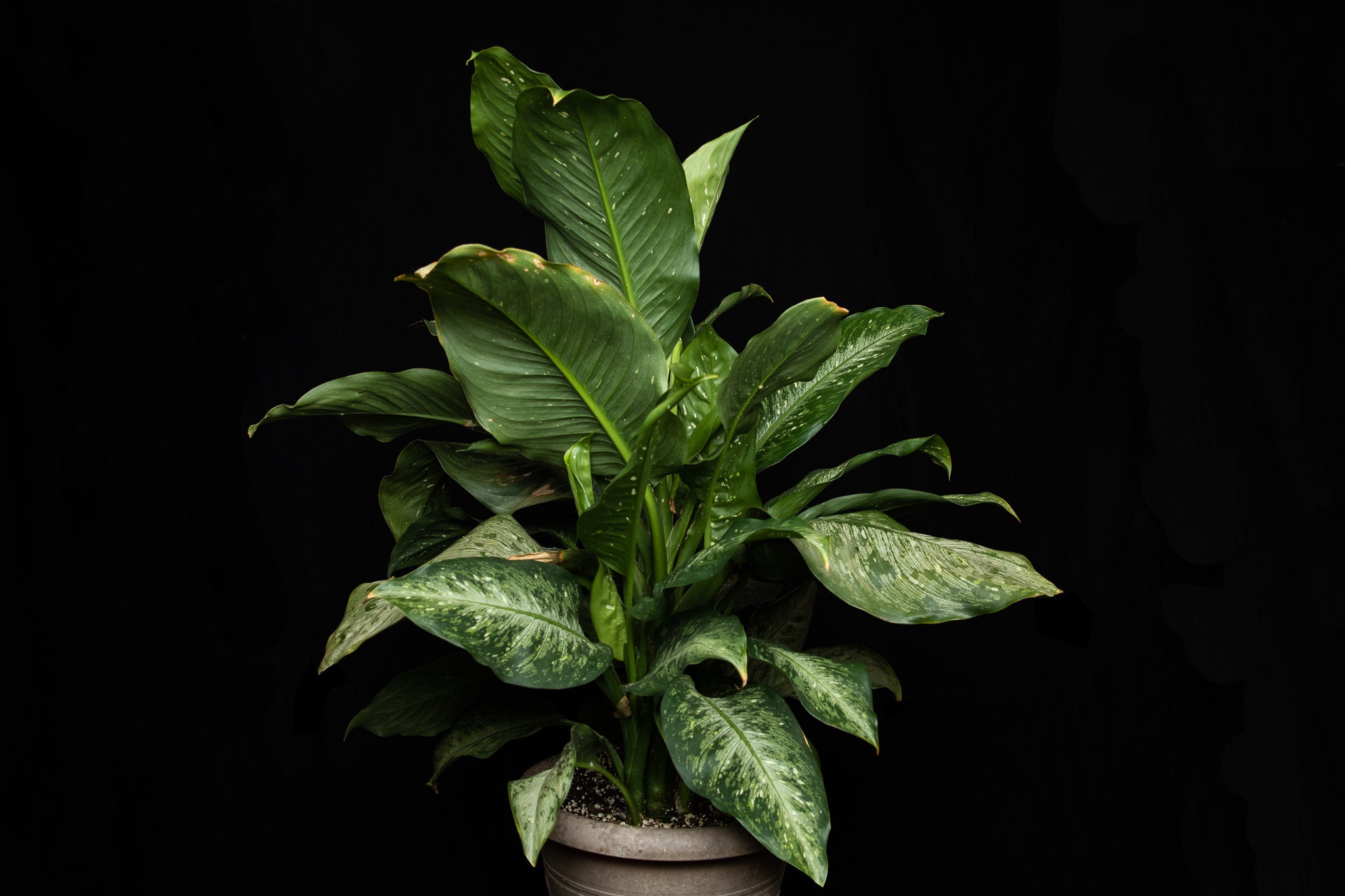
- Dieffenbachia or Dumb cane do not do well in direct sun and their colors will fade if they are in bright light. The best location is in medium, indirect light. They will however do okay in a low light situation for a while but eventually they will grow long and leggy as they stretch toward a light source. You will need to prune them down (but don't panic, you can propagate). This guy would do best with a plant light a few hours a day.
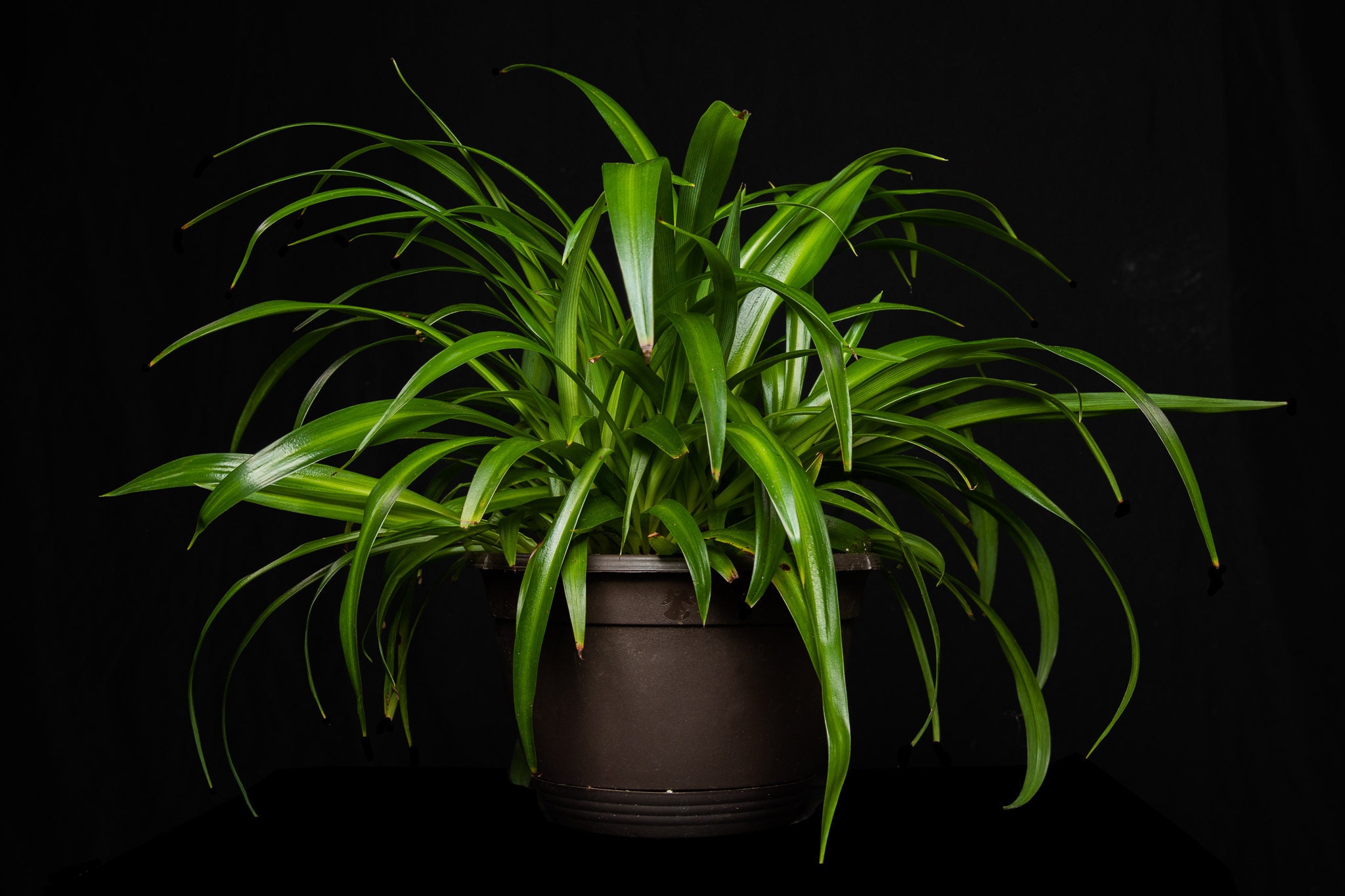
- Spider Plant or Chlorophytum comosum - This plant can thrive in lower light conditions and should only be watered when the top 50% of the soil is dry, so be very careful not to overwater! Be sure to get a green spider plant and not a striped one which will require more light. (Custom order available)
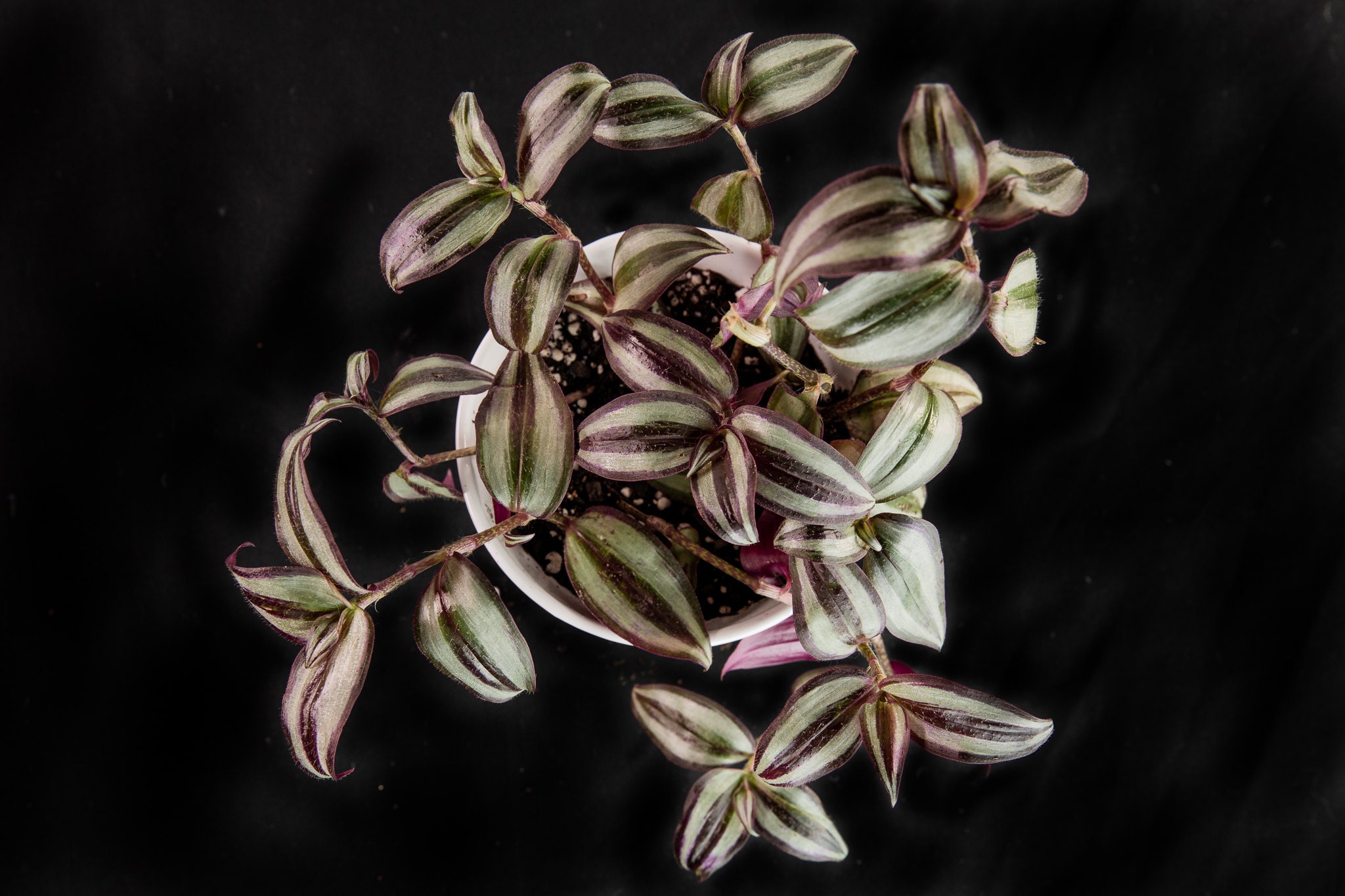
- Tradescantia - Nanouk, Fluminensis, Zebrina and Baby Bunny Bellies - all do well in low-light situations and are gorgeous hanging plants that can live happily suspended from the ceiling.
If you simply have *no natural light* a great solution to the problem is buying a plant light. You can buy them on Amazon on the cheap and there are a wide variety you can choose from. They are available on stands with adjustable height, on clips with goosenecks for your shelves, mountable on walls and suspendable from your ceiling. So, if you want to give that baby some rays...there are a ton of cost-effective solutions.
As you can see, there are plenty of "green friends" that can survive and thrive in your lower light spaces and bring life into our dwelling. We hope this helps you find the right one for you!
If you have any questions, feel free to reach out to us through our site, our Etsy shop or on our Facebook page and we'll be happy to advise.
Peace & Love!