
With the cityscape and corporate life getting to most of us, you’ll never escape your concrete jungle no matter how much cash is in that bank account. But not all hope has been lost--a new trend called “jungalow" advocates green living by decorating spaces into mini-indoors jungles. Houseplants can be artistically arranged throughout each room; corner shelves lined with succulents ready for display or beautiful window dressings made of macrame and trailing vines.

Boston Fern (Nephrolepis exaltata 'Bostoniensis') removes formaldehyde, xylene and toluene from the air.
But what if I told you that you can purify your environment, and remove the chemical toxins from your air at the same time as making it a beautiful, zen space?
People spend 90% of their time indoors, so it’s important to make sure your indoor environment is as healthy and clean as possible. Not only can you reduce the risk for respiratory issues by purifying air in your home with specific plants that help reduce indoor air pollution, but you can also create an atmosphere of beauty that supports mental health and reduces stress at the same time.

Air-Purifying Anthurium Andreaanum is one of the plants listed in the NASA Clean Air Study as effective in removing formaldehyde, xylene, toluene, and ammonia from the air
The NASA Clean Air Study found that certain plants can act as natural air filters to remove organic molecules such as benzene, formaldehyde and trichloroethylene. They are three of the worst culprits for making your home unhealthy to breathe in as they have been shown time after time that exposure has major consequences on human beings such as nausea vomiting headaches dizziness unconsciousness coma or even death if not treated quickly enough!
Below is a list of the 17 most effective plant species determined by Nasa's research (some of which are available in our shop - the links will take your to them):

Brazilian Heartleaf Philodendron - Photo by Alex de Brantes
- Boston fern (Nephrolepis exaltata 'Bostoniensis')
- English ivy (Hedera helix)
- Spider plant (Chlorophytum comosum)
- Devil's Ivy, Pothos (Epipremnum aureum)
- Peace lily (Spathiphyllum 'Mauna Loa')
- Anthurium (Anthurium andraeanum)
- Chinese evergreen (Aglaonema modestum)
- Snake plant, mother-in-law's tongue (Sansevieria)
- Heartleaf philodendron (Philodendron cordatum)
- Brazilian Heartleaf philodendron
- Monstera Adansonii
- Dracaena
- Orchids
- Dumb canes (Dieffenbachia spp.)
- Aloe vera (Aloe vera) Succulents - Air-Purifying
- Mums - Chrysanthemums (Chrysanthemum morifolium)
- Banana (Musa acuminata)
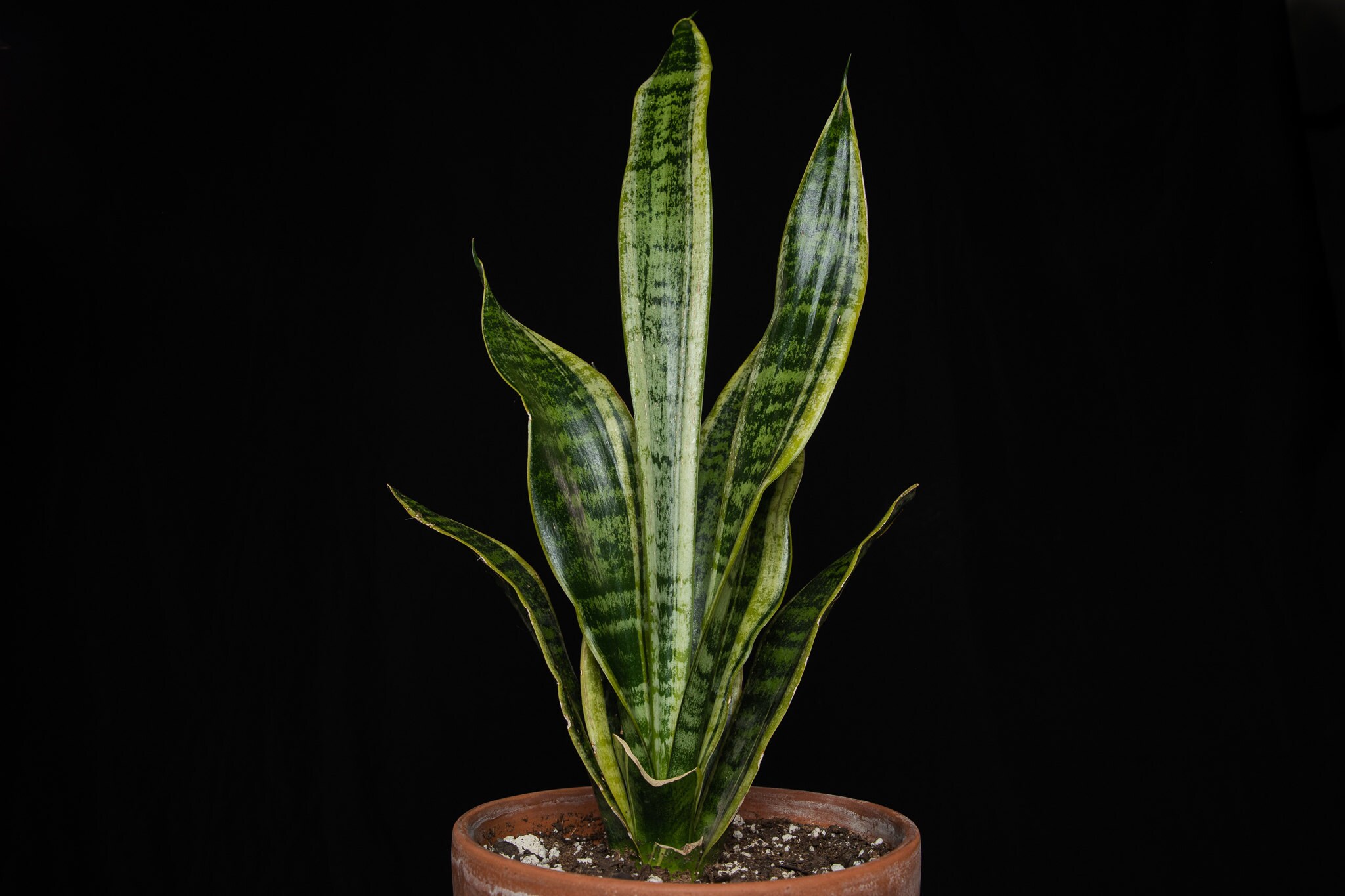
Snake Plant 'Mother-in-Law's Tongue' Sansevieria produces oxygen at night while removing formaldehyde, xylene and toluene from the environment.
The 411 on Common Indoor Pollutants
Trichloroethylene – Found in paints, printing inks, lacquers, varnishes, paint removers, and adhesives. Symptoms associated with short-term exposure include: dizziness, headache, excitement, nausea, and vomiting followed by drowsiness and coma.
Formaldehyde – Found in facial tissues, paper bags, paper towels, plywood paneling, waxed paper, and synthetic fabrics. Symptoms associated with short-term exposure include: irritation to nose, mouth and throat, and in severe cases, swelling of the lungs and larynx.
Benzene – Used to make resins, lubricants, plastics, detergents, and drugs and found in tobacco smoke, glue, and furniture wax. Symptoms associated with short-term exposure include: irritation to eyes, drowsiness, dizziness, headache, increased heart rate, confusion and in some cases can result in unconsciousness.
Xylene – Found in rubber, leather, tobacco smoke, and vehicle exhaust. Symptoms associated with short-term exposure include: irritation to mouth and throat, dizziness, headache, confusion, heart problems, liver and kidney damage and coma.
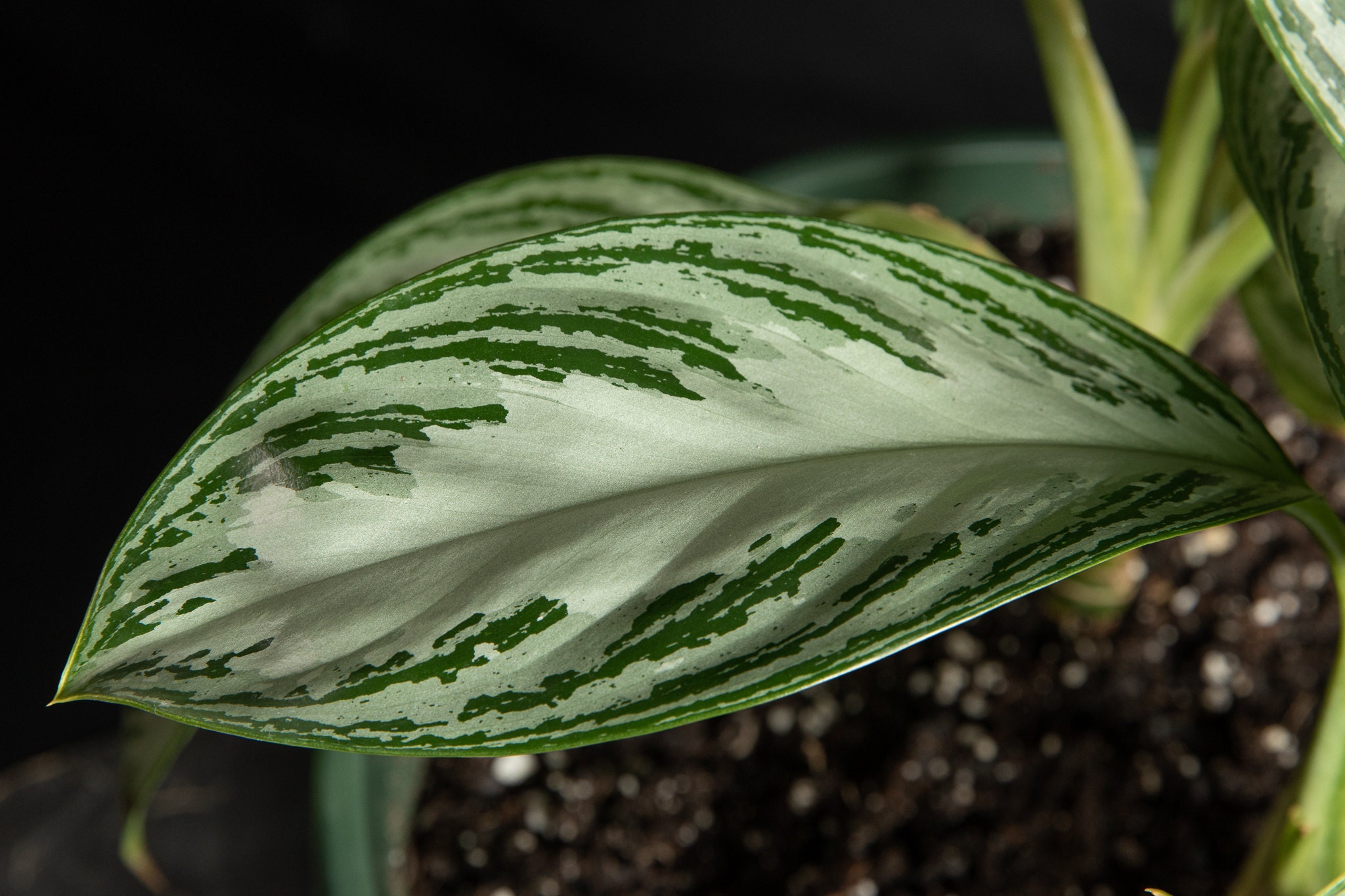
This beautiful Chinese Evergreen (Aglaonema) removes benzene, formaldehyde and tri-chloroethylene from it's environment.
Ammonia – Found in window cleaners, floor waxes, smelling salts, and fertilizers. Symptoms associated with short-term exposure include: eye irritation, coughing, sore throat.
Nitrogen Dioxide (NO2) – This harmful gas is formed by emissions from vehicles and factories during the burning of fuel. It is high in concentration in regions that are congested with vehicles and traffic. The gas is a respirator irritant, causing specific damage to the cardiovascular and respiratory system. It is known to cause airway inflammation among healthy individuals.
Sulphur Dioxide (SO2) – A highly reactive gas that carries a smell which is pungent and irritating, suplhur dioxide is formed by the burning of fuels in industries and factories. Its presence in the air results in the irritation of the lining of lungs, throat and nose, worsing the sysmptoms of patients with existing respiratory diseases such as asthma, and other cardiovascular problems.
Suspended Particulate Matter – Suspended Particulate Matter, or SPM, refers to the suspended solid and liquid particles in the air that are too small in size to be seen with the naked eye. Its short effects include irritation of the eyes and the respiratory tract, with the long term exposure causing asthma and weaker cardiovascular function.

Hedera helix, English ivy was reported to reduce levels of formaldehyde, benzene, and trichloroethylene from the air—volatile organic compounds (VOCs) that are known carcinogens
Check out our shop for a selection of Air Purifying plants here.
Peace and Love!
Check out our shop for a selection of air-purifying plants today! Custom orders are available here.